-
dazemoonmarketing
- September 21, 2026
- No Comments
Author’s Note:
Choosing a drainage or sewerage pipe requires consideration of hydraulic requirements, structural loading, installation conditions, soil characteristics, project life, maintenance needs, and applicable standards. DWC HDPE and RCC pipes have different material properties and design considerations. The right selection should be based on project-specific engineering calculations rather than price or material preference alone.
Table of Contents
- DWC HDPE and RCC Pipes: An Overview
- Key Differences in Drainage and Sewerage Applications
- Installation, Durability, and Cost Considerations
- How to Select the Right Pipe
- FAQs
DWC HDPE and RCC Pipes: An Overview
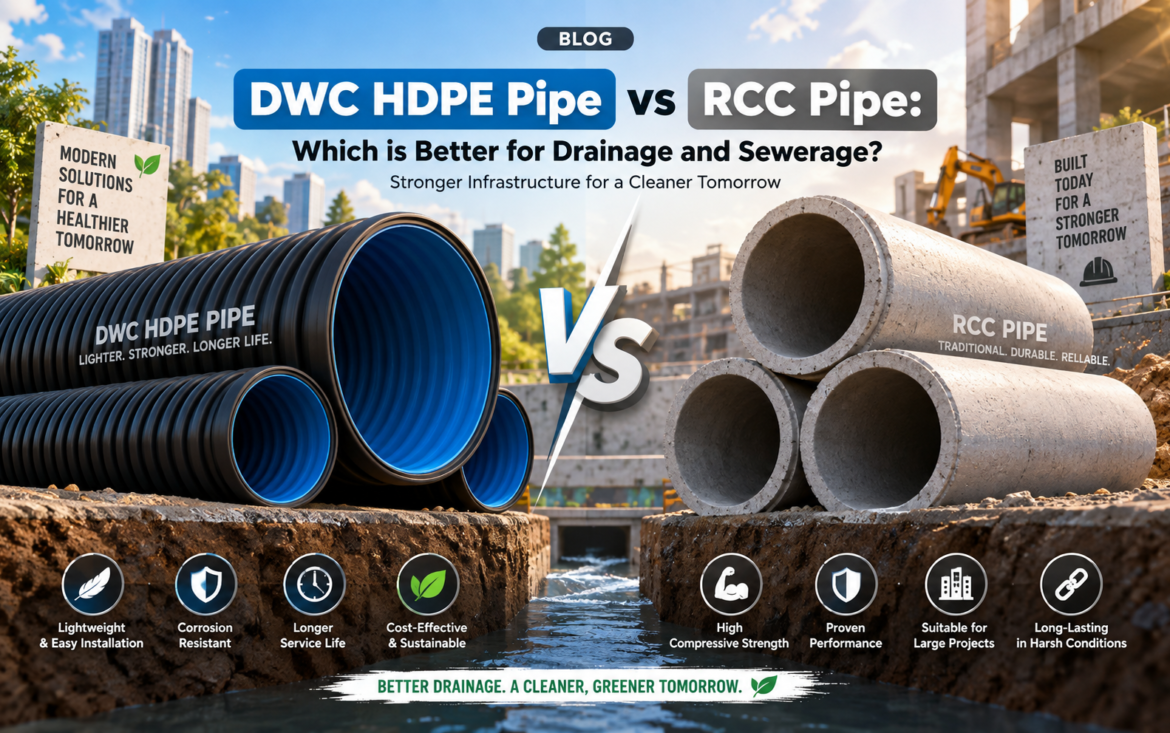
DWC HDPE pipes are structured-wall polyethylene pipes generally manufactured with a corrugated outer wall and a comparatively smooth inner surface. This construction provides structural strength while keeping the pipe relatively lightweight. Depending on the product design and applicable standard, DWC systems can be used for drainage, stormwater management, sewerage, and other underground applications.
RCC, or Reinforced Cement Concrete, pipes are manufactured using concrete reinforced with steel. They have traditionally been used for stormwater drainage, sewerage, culverts, and other civil infrastructure projects because of their high compressive strength and ability to withstand substantial external loads when properly designed and installed.
The choice between these two materials should begin with the project’s hydraulic and structural requirements. Factors such as pipe diameter, burial depth, groundwater conditions, soil characteristics, traffic loading, flow requirements, and installation method can significantly influence the selection.
When evaluating dwc pipe in India, buyers should check the pipe’s internal diameter, stiffness class, wall construction, jointing system, and applicable standard rather than comparing products solely by outside diameter or price.
Key Differences in Drainage and Sewerage Applications
One of the most noticeable differences is weight. DWC HDPE pipes are generally much lighter than RCC pipes of comparable drainage capacity. This can simplify transportation, handling, and installation, particularly where heavy lifting equipment is difficult to deploy.
RCC pipes, on the other hand, have substantial self-weight and rigid construction. This can provide stability during certain installations but may also require greater logistical planning and suitable lifting equipment.
Hydraulic Performance:
DWC HDPE pipes can have a smooth internal surface that supports efficient flow and may reduce resistance compared with rougher pipe interiors. Actual hydraulic performance depends on internal diameter, roughness coefficient, gradient, flow characteristics, and pipe design.
Structural Performance:
RCC relies heavily on its rigid structure and reinforcement to resist external loads. HDPE is flexible and interacts with the surrounding soil, meaning backfill quality and installation practices are particularly important to its structural performance.
Corrosion Resistance:
HDPE does not rust and generally provides strong resistance to many soil and wastewater conditions. RCC can be affected by aggressive chemical environments, depending on concrete composition, exposure conditions, and wastewater characteristics.
Jointing:
HDPE drainage systems may use compatible couplers, seals, or other specified jointing methods. RCC systems commonly use socket-and-spigot or other joint configurations with sealing arrangements. Joint performance depends heavily on correct installation.
For buyers researching hdpe pipe manufacturers, it is important to confirm that the selected product is specifically designed and tested for the intended drainage or sewerage application.
Installation, Durability, and Cost Considerations
Installation conditions can significantly influence the total project cost of either system.
The lighter weight of DWC HDPE can reduce handling requirements and make transportation easier. It may also be advantageous for projects involving restricted access or long installation routes. However, proper trench preparation, bedding, alignment, and backfilling are essential for achieving the intended structural performance.
RCC installation typically involves heavier handling equipment and more attention to lifting, bedding, joint alignment, and pipe protection during construction. Its established use in civil infrastructure means many contractors are familiar with RCC installation practices.
Durability depends on the environment and quality of installation. HDPE offers resistance to corrosion and can tolerate certain ground movements because of its flexibility. RCC can provide long-term service when correctly designed, manufactured, installed, and protected from unsuitable exposure conditions.
Cost should be evaluated as total installed cost, not merely pipe purchase price. Transportation, excavation, lifting equipment, labour, bedding, jointing materials, installation time, and future maintenance can all affect the overall project economics.
The broader category of hdpe pipe in India includes pressure pipes, irrigation products, ducts, and structured-wall drainage systems. These should not be treated as interchangeable.
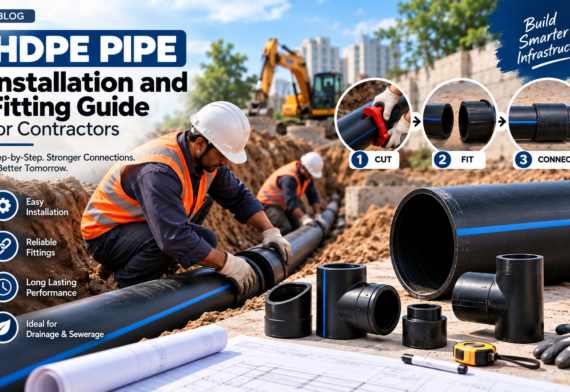
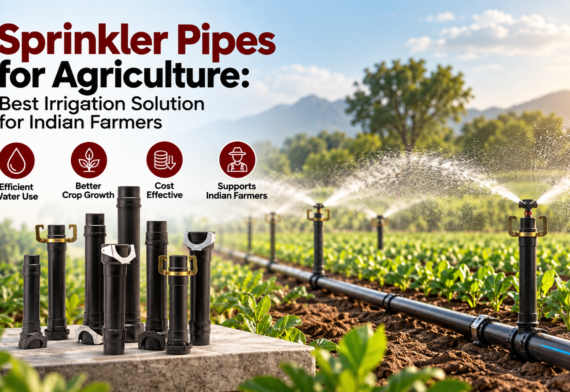
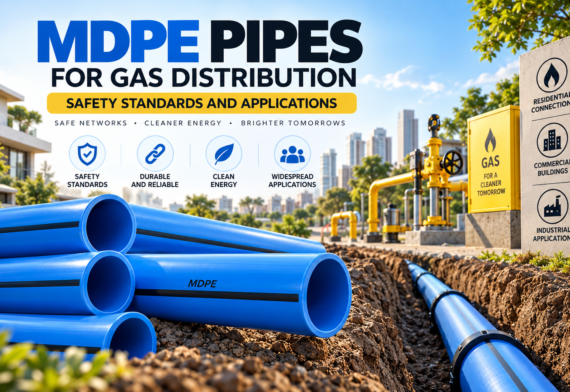
Likewise, sprinkler pipe in india is generally intended for agricultural irrigation, while mdpe pipe in india is associated with different polyethylene applications. plb duct pipes in india are primarily used for telecom and fibre-optic cable infrastructure, and SWC Hdpe Pipes in india can refer to structured-wall products for specific infrastructure applications.
How to Select the Right Pipe
A practical selection process should consider:
- Required hydraulic capacity
- Internal diameter and pipe length
- Burial depth
- Soil and groundwater conditions
- Traffic or surface loading
- Pipe stiffness or structural requirements
- Wastewater characteristics
- Jointing method
- Installation equipment and access
- Applicable Indian/project standards
- Manufacturer testing and quality documentation
- Expected service and maintenance requirements
For major sewerage or drainage projects, hydraulic calculations and structural design should be completed by qualified engineers. The manufacturer should provide technical datasheets and relevant test or certification documents for the proposed product.
Neither DWC HDPE nor RCC is universally suitable for every project. The appropriate choice depends on the specific combination of hydraulic, structural, environmental, installation, and economic requirements.
FAQs
1. Is DWC HDPE better than RCC for drainage?
Both materials can be suitable for drainage applications. The appropriate choice depends on project conditions such as loading, burial depth, soil, hydraulic requirements, installation method, and applicable standards.
2. Which pipe is easier to transport and install?
DWC HDPE is generally much lighter than RCC, which can make transportation and handling easier. However, installation still requires appropriate trenching, bedding, jointing, and backfilling practices.
3. Which has better corrosion resistance?
HDPE is naturally resistant to rust and provides strong resistance to many corrosive environments. RCC performance depends on concrete quality, reinforcement protection, exposure conditions, and wastewater characteristics.
4. Can DWC HDPE pipes be used for sewerage?
Certain structured-wall HDPE products are designed for drainage and sewerage applications. Buyers should verify the specific manufacturer’s standard, stiffness class, dimensions, and certification before use.
5. Is RCC stronger than HDPE?
RCC and HDPE respond differently to external loads. RCC is a rigid pipe, whereas HDPE is flexible and relies partly on soil-pipe interaction. Structural performance must therefore be assessed using the appropriate design method.
6. Should pipe selection be based on price?
No. The total installed cost should include transportation, excavation, installation, jointing, equipment, maintenance, and expected service requirements in addition to the pipe’s purchase price.