-
dazemoonmarketing
- September 15, 2026
- No Comments
Author’s Note:
Choosing a reliable pipe manufacturer is an important procurement decision for water supply, irrigation, infrastructure, industrial, and utility projects. ISI marking and ISO certification can provide useful quality indicators, but buyers should verify the specific certificate, scope, validity, product standard, and manufacturing facility rather than relying on a logo or marketing claim. Always match the pipe specification with the project’s engineering requirements and applicable Indian standards.
Table of Contents
- Why Manufacturer Certification Matters
- ISI vs ISO Certification: What Buyers Should Check
- Key Factors for Selecting a Manufacturer
- How to Verify a Supplier Before Purchase
- FAQs
Why Manufacturer Certification Matters
HDPE pipes are used across water distribution, irrigation, drainage, industrial applications, telecom infrastructure, and other utility projects. Their performance depends not only on polyethylene as a raw material but also on manufacturing controls, dimensional accuracy, testing, storage, transportation, and installation.
When searching for hdpe pipe manufacturers, buyers often encounter claims such as “ISI certified,” “ISO certified,” or “quality approved.” These terms should be understood correctly.
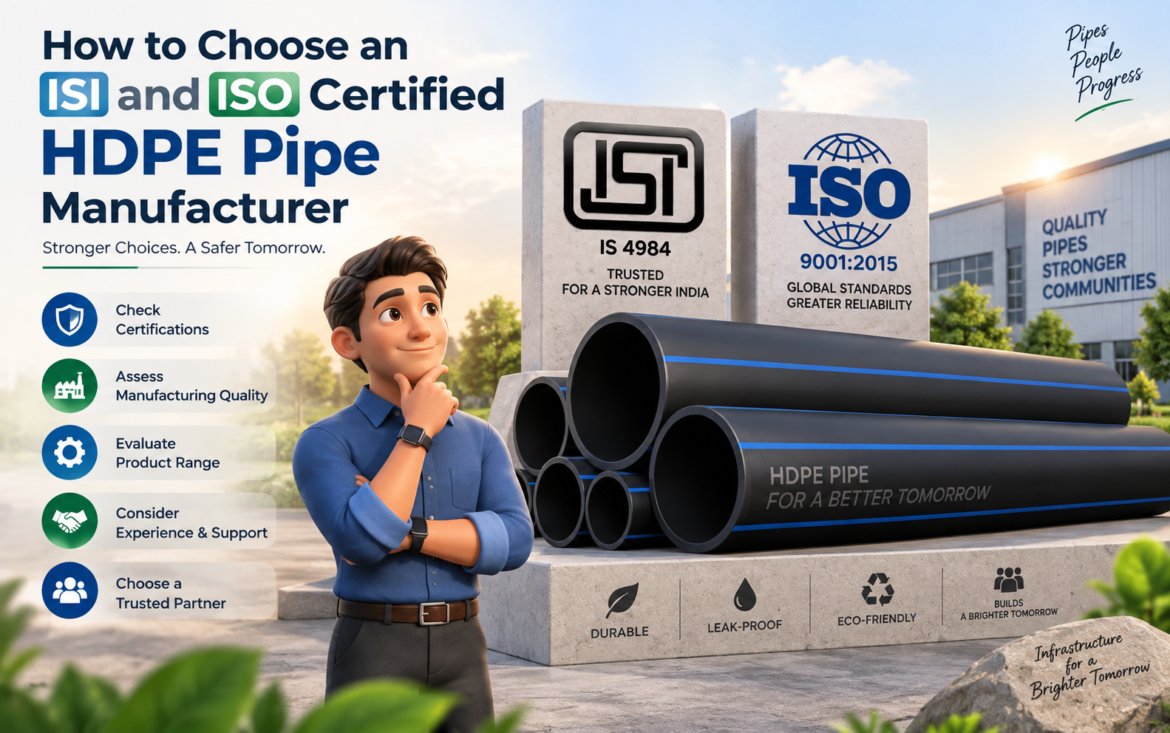
ISI marking generally indicates that a product conforms to a particular Indian Standard under the applicable Bureau of Indian Standards certification framework. The relevant standard depends on the type and intended application of the pipe.
ISO certification is different. ISO management-system certification, such as ISO 9001, generally indicates that an organisation operates a quality-management system meeting the requirements of that standard. It does not automatically mean that every product manufactured by the company is ISI certified or suitable for a particular application.
Therefore, a professional buyer should verify both the product certification and the manufacturer’s quality-management practices.
ISI vs ISO Certification: What Buyers Should Check
Before placing an order, ask the supplier for documentary evidence rather than relying solely on website claims or brochures.
For ISI-marked products, verify:
- Applicable Indian Standard number
- Certificate or licence details
- Product scope covered by the certification
- Manufacturer or factory name
- Pipe dimensions and applicable product range
- Validity/status of the certification
For ISO certification, check:
- ISO standard under which certification was issued
- Certified organisation and manufacturing location
- Scope of certification
- Certification body
- Certificate validity
This distinction is especially important because the term hdpe pipe in India covers many different products. A pipe manufactured for potable-water pressure applications has different requirements from a pipe designed for drainage, cable protection, irrigation, or another utility.
For example, dwc pipe in India generally refers to double-wall corrugated pipe systems used for applications such as cable protection and drainage. These products should be evaluated against their specific technical requirements rather than compared directly with pressure-rated water pipes.
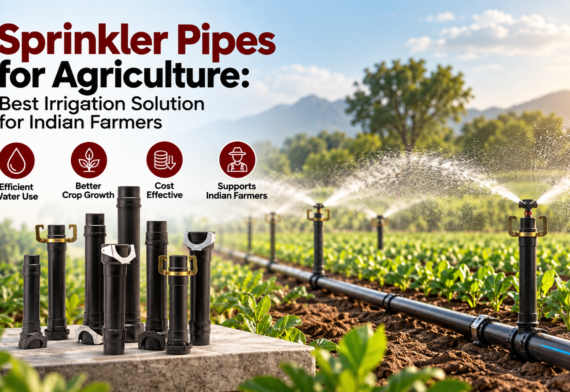
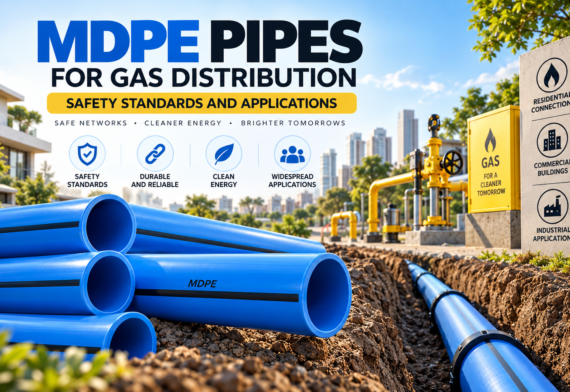
Similarly, sprinkler pipe in india is intended for agricultural irrigation systems, while mdpe pipe in india represents another polyethylene product category used for specific applications. Certification must always correspond to the actual product being purchased.
Key Factors for Selecting a Manufacturer
Certification is only one part of supplier evaluation. A reliable manufacturer should demonstrate consistent production capability and provide sufficient technical information for the buyer to make an informed decision.
1. Raw Material Quality
Ask about the polyethylene grade and material specifications used for manufacturing. For pressure applications, the selected material should meet the relevant project and standard requirements.
2. Testing Facilities
A professional manufacturer should have appropriate quality-control and testing procedures. Depending on the product, testing may cover dimensions, hydrostatic performance, material characteristics, joint compatibility, and other specified properties.
3. Product Range
Choose a supplier whose manufacturing range matches your requirements for diameter, pressure class, SDR, wall thickness, length, and application.
4. Technical Documentation
A trustworthy supplier should be able to provide technical datasheets, test reports, certification documents, installation recommendations, and relevant product information.
5. Manufacturing Consistency
For large infrastructure projects, consistency between production batches is important. Ask about quality-control systems, batch identification, traceability, and inspection procedures.
6. Application Expertise
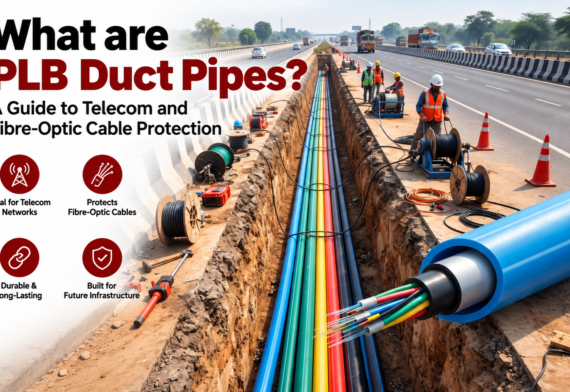
The manufacturer should understand the intended application rather than simply selling a generic plastic pipe. For example, plb duct pipes in india are designed around telecom and fibre-optic cable requirements, whereas SWC Hdpe Pipes in india may be intended for particular structured-wall infrastructure applications.
How to Verify a Supplier Before Purchase
Before finalising an order, compare at least several suppliers based on technical compliance, certification, quality systems, production capacity, delivery capability, and commercial terms.
Do not select a manufacturer solely because it offers the lowest price. An apparently cheaper pipe may have differences in raw material, dimensions, pressure rating, testing, certification, or documentation.
Ask for a sample or technical datasheet when appropriate, and compare the quoted specification line by line with your project’s requirements. For large or technically critical projects, independent inspection or third-party testing may also be considered.
Buyers should also verify whether the certification applies to the specific manufacturing location and product range being purchased. A company having an ISO certificate does not automatically establish that a particular pipe product carries an ISI licence.
Finally, review delivery schedules, packaging, transportation arrangements, warranty terms, technical support, and after-sales service. A reliable manufacturer should be able to support the product beyond the initial sale.
A combination of verified certification, technical compliance, manufacturing capability, transparent documentation, and proven quality-control processes provides a stronger basis for selecting an HDPE pipe manufacturer.
FAQs
1. Is ISI certification the same as ISO certification?
No. ISI marking relates to conformity with a specified Indian Standard for a product, while ISO certification generally relates to a management system or another ISO-defined certification scope.
2. Does an ISO 9001 certificate mean the HDPE pipe is ISI certified?
No. ISO 9001 certification concerns quality-management systems and does not by itself establish product-specific ISI certification.
3. How can I verify an ISI-marked HDPE pipe?
Check the applicable Indian Standard, licence/certificate information, manufacturer details, product scope, and current certification status through reliable documentation and the relevant certification authority.
4. What documents should I request from an HDPE pipe manufacturer?
Depending on the project, request the technical datasheet, applicable certification, test reports, material information, dimensional specifications, batch details, and installation recommendations.
5. Should price be the main factor when selecting a manufacturer?
No. Certification, raw-material quality, technical compliance, testing, manufacturing consistency, delivery capability, and after-sales support should be considered alongside price.
6. Why is the exact pipe application important?
Different HDPE products are designed for different purposes. A pressure water pipe, irrigation pipe, telecom duct, drainage pipe, and other utility products may have substantially different specifications and certification requirements.