-
dazemoonmarketing
- September 14, 2026
- No Comments
Author’s Note:
This guide is intended for Indian farmers, agricultural contractors, irrigation planners, and buyers comparing sprinkler irrigation systems. The right pipe depends on crop type, field size, water source, pump capacity, operating pressure, soil conditions, and sprinkler design. Farmers should verify technical specifications and installation recommendations with a qualified irrigation professional or manufacturer before purchasing.
Table of Contents
- What Are Sprinkler Pipes?
- Benefits of Sprinkler Irrigation for Indian Agriculture
- Choosing the Right Pipe and Irrigation System
- Installation, Maintenance, and Cost Considerations
- FAQs
What Are Sprinkler Pipes?
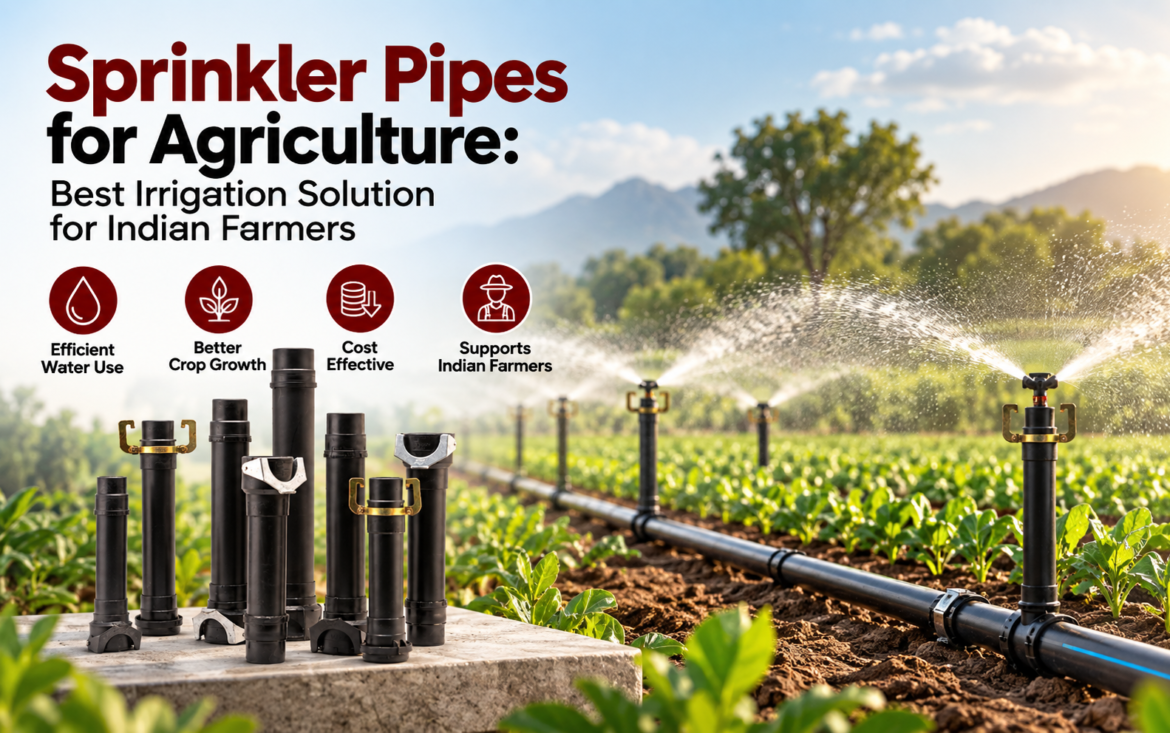
Sprinkler pipes are an important part of pressurised irrigation systems that distribute water through sprinklers instead of allowing it to flow directly across the field. Water is transported through a network of pipes and released through sprinkler nozzles, producing a controlled spray similar to natural rainfall.
For Indian agriculture, sprinkler irrigation can be useful for crops where uniform water distribution is important and where field conditions make conventional flood irrigation less efficient. It can be used for vegetables, pulses, cereals, oilseeds, nurseries, orchards, and several other agricultural applications, depending on crop and local conditions.
A typical sprinkler system consists of a water source, pump, mainline, sub-main, laterals, valves, fittings, and sprinkler heads. The pipe diameter and pressure requirements should be calculated according to the number of sprinklers operating simultaneously, required discharge, pipeline length, elevation differences, and pump capacity.
When searching for sprinkler pipe in india, buyers should focus on the complete irrigation system rather than selecting a pipe based only on diameter or price.
Benefits of Sprinkler Irrigation for Indian Agriculture
One of the biggest advantages of sprinkler irrigation is controlled water application. Instead of flooding an entire field, water is distributed over a designated area through sprinkler heads.
Better Water Distribution:
A correctly designed system can distribute water more uniformly across the field. This can be particularly helpful on uneven or gently sloping land where traditional surface irrigation may result in uneven application.
Suitable for Different Crops:
Sprinkler systems can be adapted for many agricultural crops. The sprinkler type, spacing, discharge, and operating pressure should be selected according to the crop’s irrigation requirements.
Reduced Field Waterlogging:
Because water is applied in a controlled manner, properly designed sprinkler irrigation can reduce excessive water accumulation compared with poorly managed flood irrigation.
Useful for Uneven Land:
Sprinkler systems can be advantageous where levelling large agricultural fields is difficult or expensive. Water can be distributed through pressurised lines rather than relying entirely on natural field slope.
Flexible Farm Layout:
Portable or semi-permanent systems can allow farmers to move irrigation equipment between different sections of a farm. The appropriate configuration depends on the farm’s size, crop pattern, labour availability, and irrigation schedule.
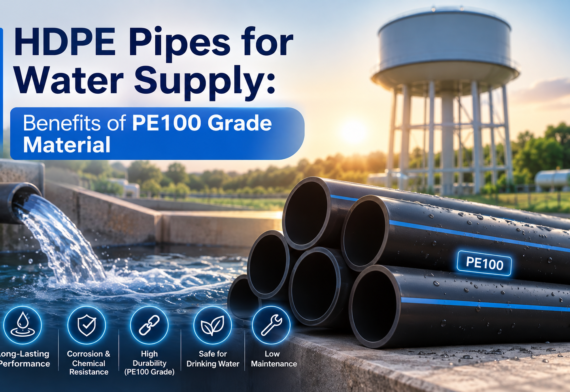
Polyethylene pipes are commonly considered for agricultural irrigation because they are relatively lightweight, corrosion-resistant, and flexible. The broader category of hdpe pipe in India includes products designed for many applications, so farmers should ensure that the selected pipe is specifically suitable for the required irrigation pressure and operating conditions.
Choosing the Right Pipe and Irrigation System
Pipe selection should begin with the irrigation design. A pipe that works well for a small farm may not be suitable for a larger installation requiring higher flow rates and longer distances.
Important factors include:
- Required water flow rate
- Pump capacity
- Operating pressure
- Pipe diameter
- Pipeline length
- Number of sprinklers operating simultaneously
- Field elevation and slope
- Soil and crop requirements
- Portability requirements
- Quality of fittings and valves
Farmers comparing hdpe pipe manufacturers should consider material quality, dimensional consistency, pressure performance, technical support, warranty, and suitability for agricultural applications.
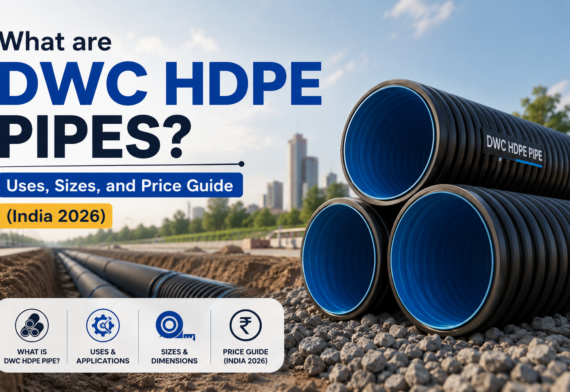
It is also important to distinguish irrigation pipes from other polyethylene products. dwc pipe in India generally refers to double-wall corrugated products used for applications such as cable protection and drainage, not conventional pressurised farm irrigation.
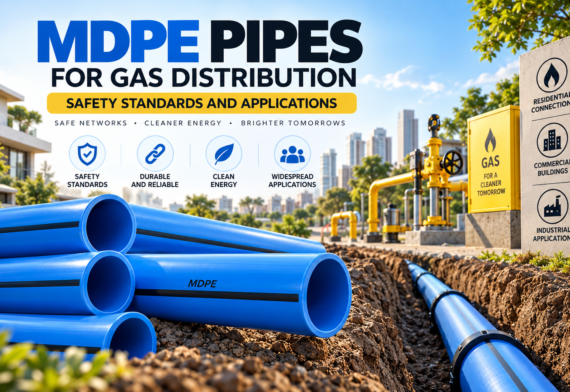
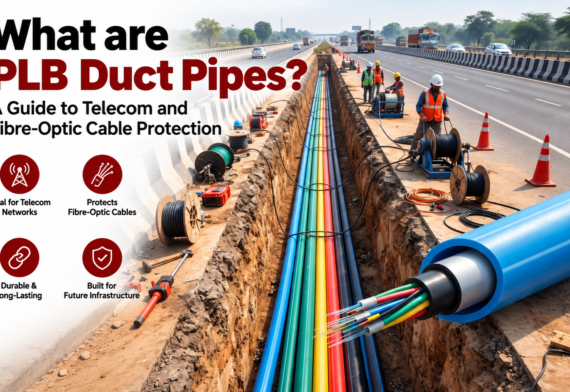
Similarly, mdpe pipe in india is a different polyethylene product category commonly associated with applications such as gas distribution. plb duct pipes in india are primarily designed for telecom and fibre-optic cable infrastructure, while SWC Hdpe Pipes in india can refer to structured-wall systems intended for specific infrastructure applications.
Using the correct product for its intended purpose is essential for system safety, performance, and durability.
Installation, Maintenance, and Cost Considerations
A good sprinkler system depends not only on pipe quality but also on proper installation. Pipes should be installed according to the manufacturer’s recommendations, and connections should be checked for leakage before regular operation.
Farmers should periodically inspect pipes, joints, valves, filters, and sprinkler nozzles. Blocked nozzles can affect water distribution, while damaged pipes or leaking joints can reduce system pressure and irrigation efficiency.
Before purchasing, obtain quotations based on the complete system requirement rather than comparing only the price per metre of pipe. Costs can include pipes, sprinkler heads, pumps, filters, valves, fittings, connectors, installation, transportation, and labour.
For larger farms, professional irrigation design can help determine the appropriate pipe diameter, sprinkler spacing, pump capacity, and operating schedule. Government or state-level agricultural schemes may also provide assistance for eligible irrigation systems, but availability and subsidy conditions can change, so farmers should verify current requirements with the relevant department.
The most effective irrigation system is one that matches the farm’s crop, water availability, field conditions, and budget. Good design and regular maintenance can help farmers achieve more consistent irrigation while making better use of available water resources.
FAQs
1. What are sprinkler pipes used for?
Sprinkler pipes transport pressurised water from the pump or water source to sprinkler heads, which distribute water over the agricultural field.
2. Are sprinkler systems suitable for Indian farms?
Yes. Sprinkler irrigation can be suitable for many Indian farming conditions and crops, provided the system is correctly designed for local water availability, soil, crop, pressure, and field conditions.
3. How do I choose the right sprinkler pipe size?
The size depends on required flow, operating pressure, pipeline length, number of sprinklers, pump capacity, elevation changes, and the overall irrigation layout.
4. Are HDPE pipes suitable for sprinkler irrigation?
Suitable HDPE irrigation pipes can offer flexibility, corrosion resistance, and relatively easy handling. The selected product should have specifications appropriate for the system’s operating pressure.
5. How can I improve sprinkler irrigation efficiency?
Use correctly spaced sprinklers, maintain appropriate operating pressure, clean blocked nozzles, repair leaks promptly, and operate the system according to the crop’s water requirements.
6. Should farmers choose pipes based only on price?
No. Material quality, pressure performance, dimensions, manufacturer reliability, fittings, installation requirements, and expected service life should also be considered when comparing irrigation systems.