-
Keshav Kripa Polyplast
- October 22, 2026
- No Comments
Author’s Note: Selecting an HDPE pipe manufacturer requires more than comparing prices. Product quality, applicable certifications, technical specifications, traceability, and after-sales support all influence the reliability of a piping system. This guide is intended for contractors, engineers, procurement teams, and infrastructure buyers. Always verify certificates and product specifications against the requirements of your project before placing an order.
Table of Contents
- Understand ISI and ISO Certification
- Verify Product Quality and Technical Specifications
- Evaluate Manufacturing Capability and Supplier Reliability
- Compare Applications and Make an Informed Decision
- Frequently Asked Questions
1. Understand ISI and ISO Certification
When purchasing HDPE pipes, it is important to understand that ISI marking and ISO certification serve different purposes.
ISI marking indicates conformity with a relevant Indian Standard under the applicable BIS product certification scheme. Buyers should verify that the manufacturer holds a valid licence for the specific product and standard required. The licence scope, product category, and marking details matter; a general claim of certification is not sufficient.
ISO certification, on the other hand, generally refers to a management system standard. For example, ISO 9001 relates to quality management systems. It can indicate that a manufacturer follows documented quality processes, but it does not automatically certify every pipe produced by that company.
Check Certificates Before Ordering
Ask the supplier for the relevant BIS licence details and ISO certificate. Verify their validity, scope, issuing or certification body, and applicability to the manufacturing facility and product being purchased.
For buyers researching hdpe pipe in India, checking the actual certificate is more reliable than relying on website claims, logos, or promotional material.
2. Verify Product Quality and Technical Specifications
Examine Material Grade and Pressure Rating
A dependable manufacturer should provide a technical datasheet that identifies the material grade, nominal diameter, wall thickness, standard dimension ratio (SDR), pressure rating, and applicable product standard.
The pipe must be suitable for its intended operating conditions. For example, a pressure pipeline requires different performance characteristics from a non-pressure cable duct. The selected product should also account for operating temperature, fluid type, installation environment, and expected service life.
Request Test Reports and Traceability
Ask for relevant test reports covering the properties required by the applicable standard. Depending on the product, these may include dimensional checks, hydrostatic performance, material properties, and other prescribed tests.
Batch identification and manufacturing records help establish traceability. They are particularly useful when inspecting large deliveries or investigating a quality issue.
Reliable hdpe pipe manufacturers should be able to explain their quality-control procedures and provide supporting documentation appropriate to the product and project. Avoid suppliers who cannot clearly identify the applicable standard or provide verifiable technical information.
3. Evaluate Manufacturing Capability and Supplier Reliability
A manufacturer’s ability to maintain consistent quality and deliver orders on time is just as important as certification.
Inspect Production and Quality-Control Processes
Where possible, review the manufacturing facility or request documented information about production equipment, inspection procedures, storage conditions, and quality-control practices.
Ask how the manufacturer handles rejected products, maintains batch records, and ensures consistency between production lots. For large infrastructure projects, also confirm production capacity, delivery schedules, packaging, and transport arrangements.
A supplier with a documented quality system and responsive technical team can make procurement and installation easier. However, these factors should support—not replace—verification of the actual product’s compliance.
Check Experience and Technical Support
Review previous supply experience, customer references, and the manufacturer’s ability to provide installation guidance or resolve technical queries. Make sure the quotation clearly specifies the product grade, dimensions, quantity, delivery terms, and required documents.
4. Compare Applications and Make an Informed Decision
Different pipe systems serve different purposes, so certification alone cannot determine whether a product is suitable.
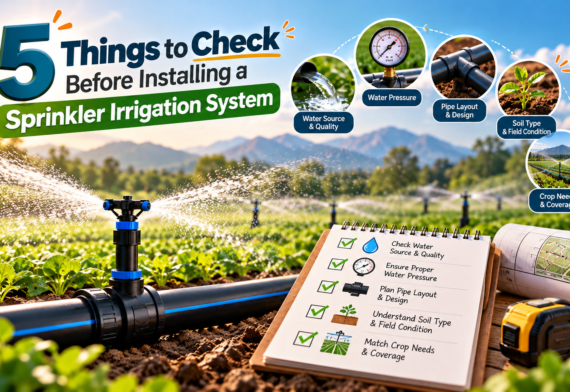
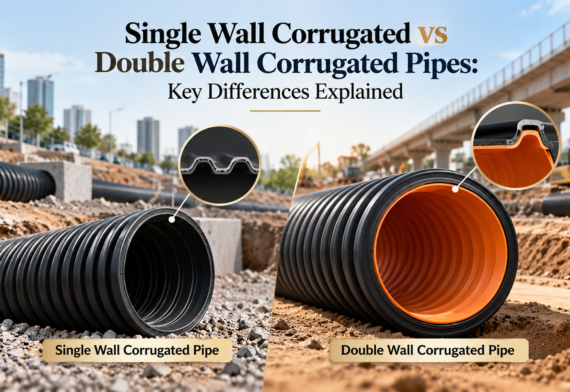
For example, dwc pipe in India generally refers to double-wall corrugated pipes used in applications such as underground drainage or cable protection, depending on the specification. sprinkler pipe in india refers to irrigation piping that must meet the operating requirements of the agricultural system.
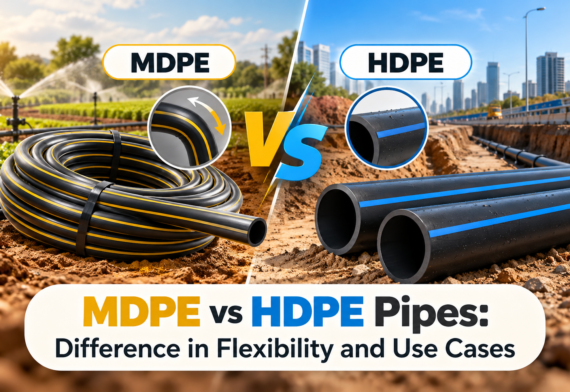
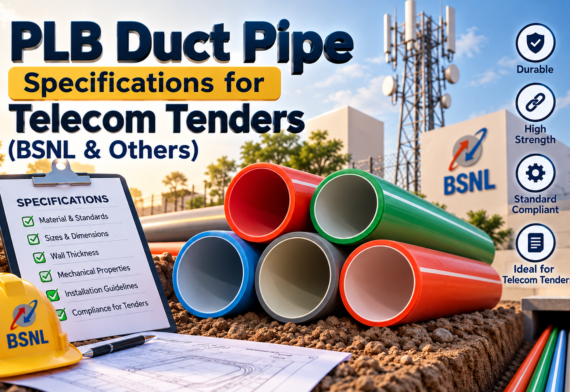
Likewise, mdpe pipe in india typically relates to medium-density polyethylene products designed for specific applications, while plb duct pipes in india are used for telecom cable protection. SWC Hdpe Pipes in india refers to single-wall corrugated products intended for applications compatible with their design.
These products are not interchangeable. Confirm the required standard, pressure or structural performance, dimensions, and intended use before comparing quotations.
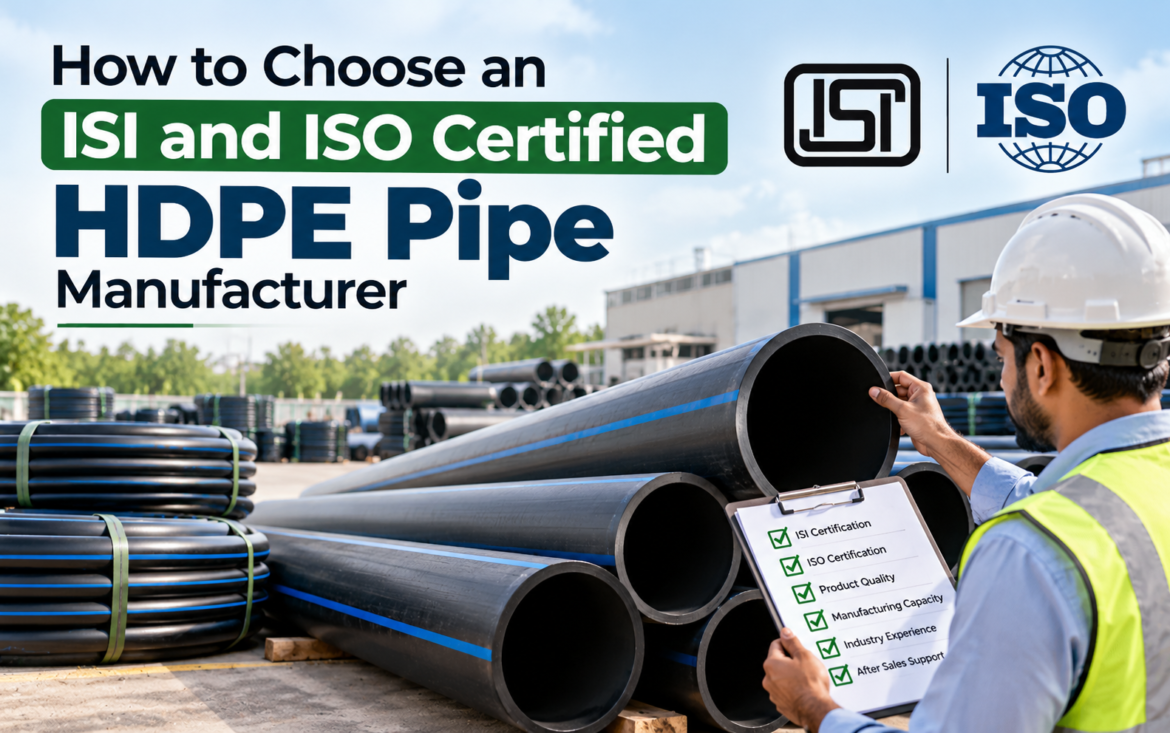
E-E-A-T Checklist for Buyers
Before finalising a supplier, verify the following:
- The relevant BIS licence and ISO certificate are valid and within scope.
- Product specifications match the project requirements.
- Test reports and batch traceability records are available.
- The manufacturer has appropriate production capacity and quality controls.
- Delivery commitments and technical support are clearly documented.
An informed decision combines verified credentials, product-level compliance, transparent documentation, and practical supplier evaluation. This approach helps reduce the risk of receiving unsuitable materials and supports more dependable project execution.
Frequently Asked Questions
1. Is ISO certification enough to prove HDPE pipe quality?
No. ISO certification often relates to a management system. Buyers must separately verify the product’s conformity with the applicable standard and any required BIS licence.
2. What does ISI marking mean on an HDPE pipe?
It indicates conformity under the relevant BIS product certification scheme, provided the marking and licence are valid and applicable to that product.
3. How can I verify a manufacturer’s BIS licence?
Check the licence details through official BIS resources and confirm that the product, standard, and manufacturing scope match the pipe being purchased.
4. Which documents should I request from a manufacturer?
Request relevant certificates, technical datasheets, applicable test reports, batch identification details, and any inspection or approval documents required by the project.
5. Should price be the main factor when selecting a manufacturer?
No. Compare price alongside verified certification, technical compliance, product consistency, delivery reliability, and after-sales support.