-
dazemoonmarketing
- October 10, 2026
- No Comments
Author’s Note: This guide is designed for contractors, engineers, procurement teams, and infrastructure buyers comparing medium-density and high-density polyethylene pipes. It explains their flexibility, strength, and practical applications. Actual performance depends on material grade, pressure rating, dimensions, and installation conditions. Always consult the manufacturer’s technical datasheet and applicable project standards before selecting a pipe.
Table of Contents
- Understanding MDPE and HDPE Pipes
- Key Differences in Flexibility and Performance
- Applications and How to Choose the Right Pipe
- Technical Checks Before Purchase
- Frequently Asked Questions
Understanding MDPE and HDPE Pipes
MDPE stands for Medium-Density Polyethylene, while HDPE stands for High-Density Polyethylene. Both are thermoplastic materials used in piping systems because of their corrosion resistance, durability, and relatively lightweight construction.
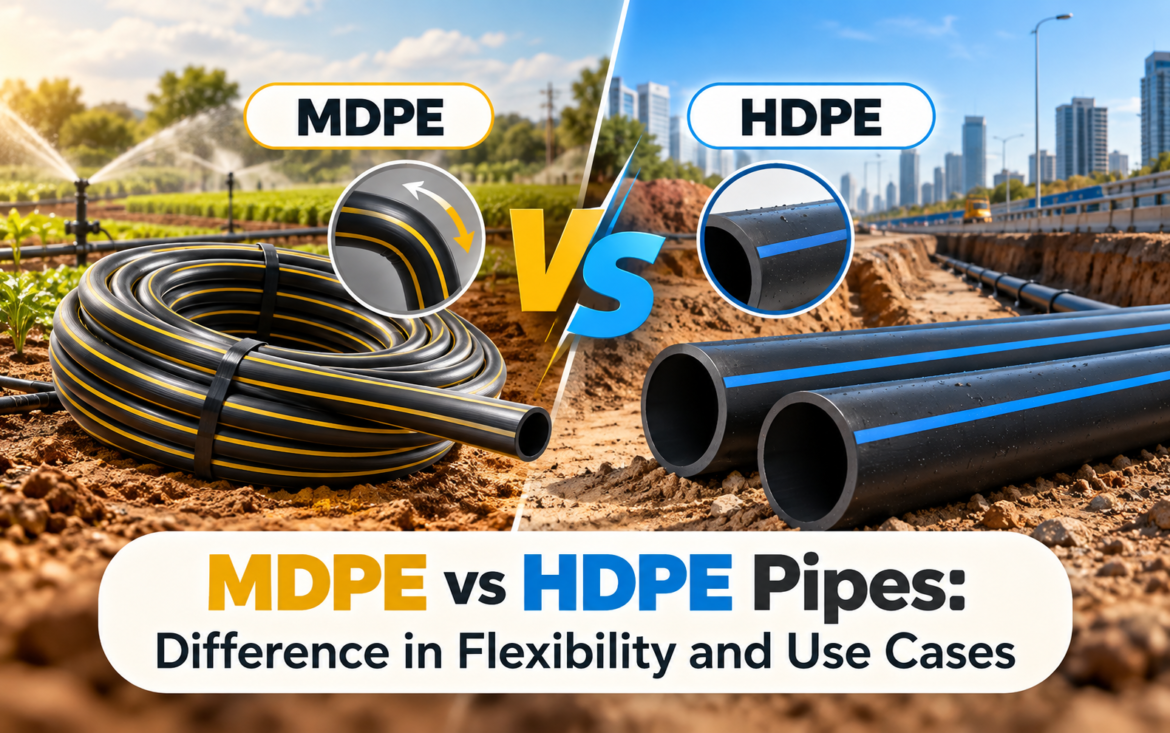
The main difference is their material structure. MDPE is generally more flexible and ductile, making it suitable for service connections and installations that require easier bending. HDPE is generally stiffer and can offer greater strength, depending on its grade, making it suitable for demanding pressure applications.
However, material density alone does not determine pipe performance. Polyethylene pipes are also classified by strength grades, such as PE80 and PE100. These grades, along with the standard dimension ratio (SDR), wall thickness, and operating conditions, help determine pressure capability.
Key Differences in Flexibility and Performance
Flexibility and Installation
Flexibility is one of the most noticeable differences between these materials. MDPE pipes can be easier to route around obstacles, particularly in smaller diameters supplied in coils. This can reduce the number of fittings required in some installations and simplify work in confined spaces.
HDPE pipes are also flexible compared with many conventional rigid piping materials, but their bending radius depends on diameter, wall thickness, temperature, and grade. Bending them beyond the manufacturer’s limits can damage the pipe or compromise its service life.
For buyers evaluating mdpe pipe in india, the intended operating conditions should be considered alongside flexibility. A pipe used for gas distribution, for example, must satisfy the relevant gas-network specifications and cannot be selected on flexibility alone.
Strength, Pressure, and Durability
HDPE, particularly PE100, is widely used in pressure systems requiring high long-term material strength. Its suitability depends on the required operating pressure, pipe dimensions, safety factors, and applicable standards.
MDPE can also provide reliable long-term performance when correctly specified for its intended application. Neither material should automatically be considered superior in every situation. Selection should be based on engineering requirements rather than density labels alone.
Applications and How to Choose the Right Pipe
Where MDPE and HDPE Pipes Are Used
MDPE is commonly associated with gas distribution and water service connections in markets where the relevant standards permit its use. Its flexibility can be beneficial for smaller connections, curved routes, and installations where straightforward handling matters.
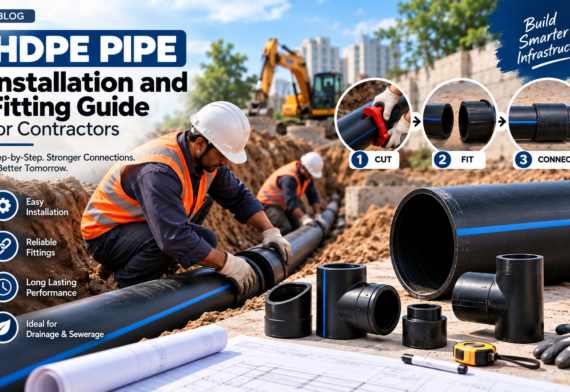
HDPE is widely used in municipal water supply, industrial fluid transport, irrigation networks, and underground infrastructure. Buyers researching hdpe pipe in India should compare material grade, pressure class, dimensions, and required certification before purchasing.
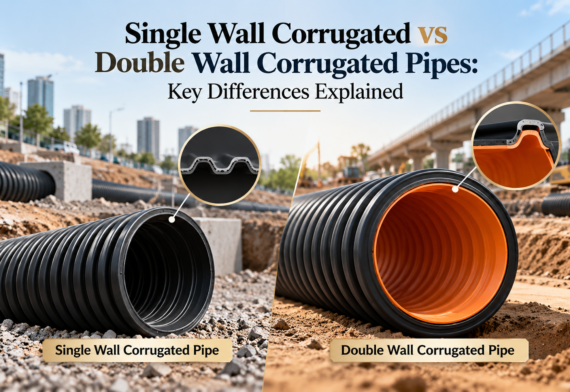
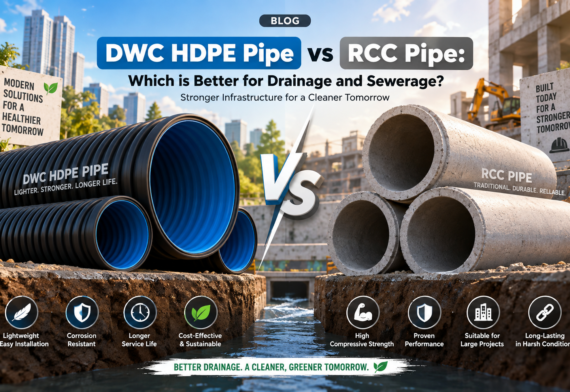
Different polyethylene products also serve specialised purposes. For example, dwc pipe in India typically refers to double-wall corrugated pipes used in suitable drainage or cable-protection applications. sprinkler pipe in india refers to irrigation products that must meet the requirements of the intended agricultural system.
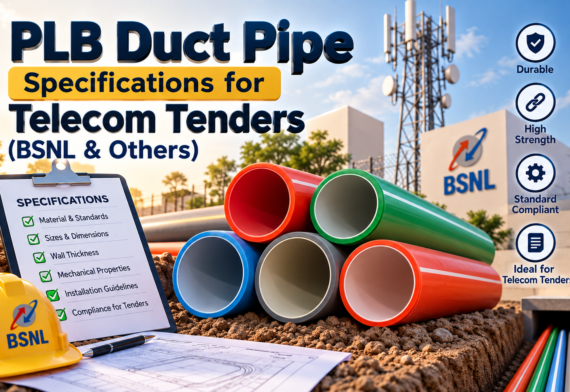
Similarly, plb duct pipes in india are designed for telecom cable protection, while SWC Hdpe Pipes in india refers to single-wall corrugated products used in applications specified for that construction. These products are not interchangeable simply because they use polyethylene.
Technical Checks Before Purchase
Supplier Verification and Quality Assurance
Before ordering, request a technical datasheet that confirms the material grade, dimensions, SDR, pressure rating, and applicable product standard. Verify that the proposed pipe matches the project’s approved specifications.
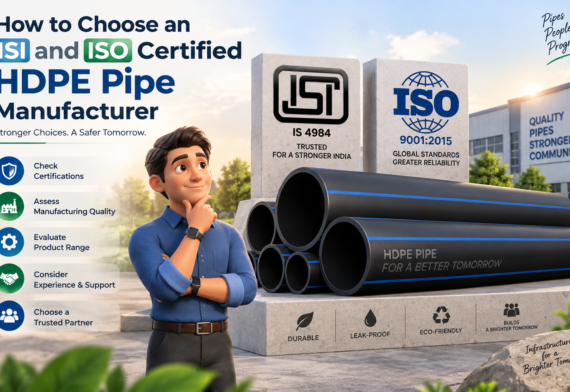
Reliable hdpe pipe manufacturers should be able to provide relevant test reports, product identification, batch traceability, and installation guidance. For regulated applications, confirm the required approvals and inspection documentation rather than relying solely on marketing claims.
Also assess the operating fluid, temperature, soil conditions, expected external loads, joining method, and maintenance requirements. Gas and potable-water applications require particular attention to the relevant safety, quality, and regulatory requirements.
Final Recommendation
The best choice between MDPE and HDPE depends on the intended application, pressure requirements, flexibility needs, and installation environment. MDPE can be suitable where ductility and easier routing are important, while appropriately rated HDPE is widely used for demanding water supply and industrial infrastructure.
Always verify technical specifications, applicable standards, and manufacturer documentation before making a final purchasing decision.
Frequently Asked Questions
1. Which is more flexible, MDPE or HDPE?
MDPE is generally more flexible and ductile. However, actual bending performance depends on pipe dimensions, material grade, temperature, and manufacturer guidance.
2. Is HDPE stronger than MDPE?
HDPE, especially PE100, can provide high long-term strength. The exact comparison depends on the specified material and pipe design.
3. Can MDPE pipes be used for water supply?
Yes, where the particular pipe is approved for the intended water application and meets the required pressure, hygiene, and local standards.
4. Which pipe is better for high-pressure applications?
A suitably rated HDPE pipe, such as an appropriate PE100 product, is often selected for high-pressure systems. The final choice must follow engineering calculations and the manufacturer’s pressure-rating tables.
5. How can buyers choose the right polyethylene pipe?
Compare the intended application, operating pressure, material grade, pipe dimensions, installation conditions, certifications, and technical documentation before making a purchase.